
Capability
Wire and Cable Extrusion Support
Wire and cable construction choices affect assembly, flexibility, routing, certification requirements, testing, and export delivery. MTTJ reviews these requirements during RFQ.
Request a Quote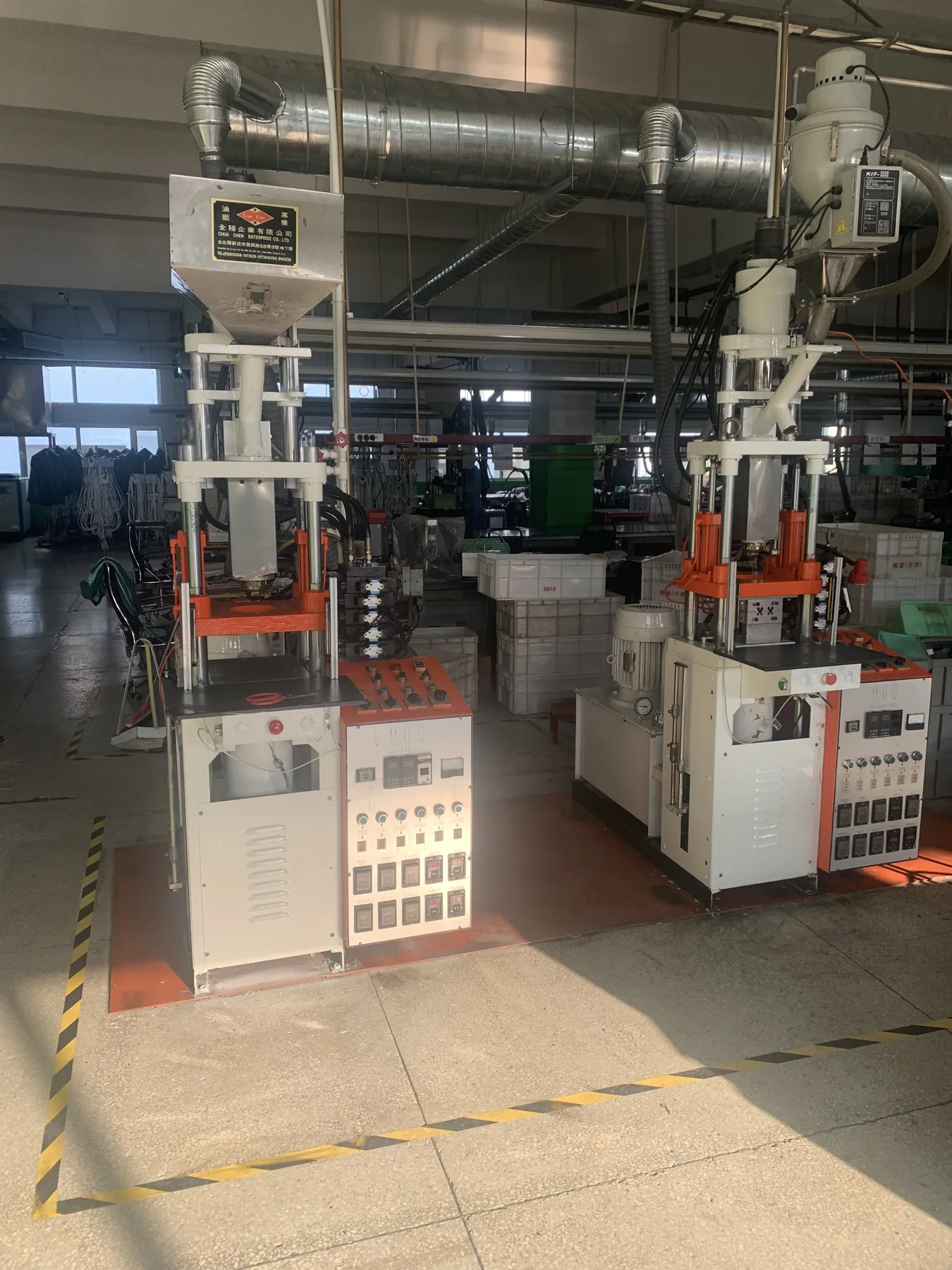
Buyer questions this capability answers
- Is the cable construction already specified?
- Which jacket material and flexibility requirements apply?
- Are shielding, conductor count, or color requirements defined?
- Does the project require wire, cable, or other documentation review?
RFQ requirements
- Cable construction
- Conductor count
- Wire gauge
- Jacket material
- Shielding requirements
- Marking requirements
- Certification documentation needs
Control points
What must be defined before production release
Control points must be defined from the drawing, material, connector, test method, and acceptance criteria for the specific project.
| Construction | Conductor count, wire gauge, shielding, fillers, and jacket are defined by drawing. |
|---|---|
| Jacket | PVC, TPU, TPE, silicone, or specialty materials are reviewed against the application. |
| Documentation | Material, inspection, shipment, or customer-specific records are reviewed by project scope. |
In-house scope
Manufacturing steps MTTJ can review
Exact process scope depends on the drawing, material, connector, and testing requirements supplied during RFQ.
- Wire and cable extrusion support
- Wire cutting
- Wire stripping
- Electrical testing
Boundary
Partner sourcing or engineering review
Partner sourcing or additional engineering review is identified during RFQ when a requirement sits outside the ordinary in-house process path.
- Horizontally injection-molded housings requiring horizontal molding machines
- PCB assemblies / circuit boards
- Project-specific certified components or plug assemblies supplied through qualified sources
Process
How the requirement moves through review
These steps show the normal review path from customer input to production release, inspection, packaging, and shipment preparation.
- 1
Review cable construction requirements
- 2
Confirm conductor, jacket, shielding, and marking needs
- 3
Align cable selection with assembly and test requirements
- 4
Document certification or compliance requirements before quotation
- 5
Support production planning once requirements are approved
Related products
Product pages connected to this capability
RFQ support
Ready to discuss a custom cable assembly?
Send drawings, specifications, quantity, testing requirements, and documentation needs. MTTJ will review the RFQ and respond by email.